Monstera Tropical Leaf Silhouette Palm: A Guide to Using High-Quality Botanical Vectors
In the world of digital design, few elements capture the essence of summer and exotic elegance quite like tropical foliage. The Monstera Tropical Leaf Silhouette Palm collection represents more than just a set of images; it is a versatile toolkit for creators who need crisp, scalable, and professional-grade botanical graphics. Whether you are designing wedding invitations, crafting social media content, or developing branding for a wellness brand, understanding how to properly select and utilize these assets can significantly elevate your final output.
However, many designers, from beginners to seasoned professionals, overlook critical technical details when downloading and implementing silhouette bundles. These oversights often lead to pixelated prints, incompatible file errors, or wasted time troubleshooting format issues. By addressing these common pitfalls early, you can ensure a smoother workflow and a higher quality result.
Understanding the Value of Vector Silhouettes
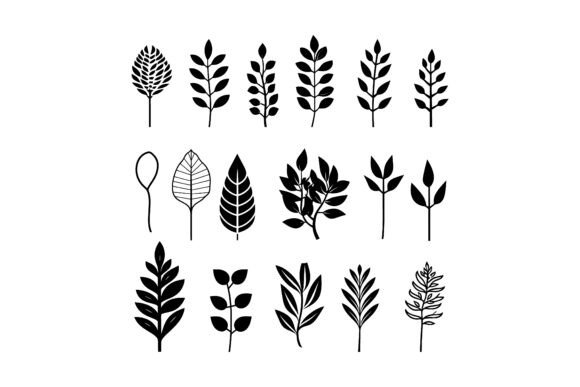
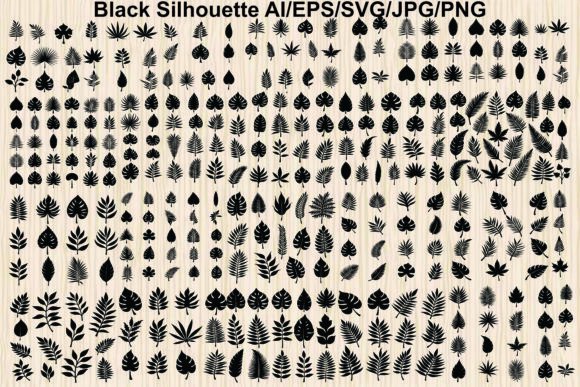
A silhouette is defined by its stark contrast—typically black shapes against a white background. This simplicity is deceptive. When done correctly, as seen in a well-curated Collection of Black Tropical Plant Leaves Silhouettes, these graphics provide a clean, modern aesthetic that fits seamlessly into various design contexts. The appeal lies in their versatility. Unlike photographic images, which carry complex lighting and color baggage, silhouettes act as neutral graphic elements. They can be recolored, layered, or used as masks without losing integrity.
The inclusion of specific plant types such as monstera, palm leaves, and fern varieties ensures that your design library covers the most recognizable symbols of jungle and tropical themes. This diversity allows for the creation of rich, organic patterns that feel natural rather than repetitive. For marketers and bloggers, these botanical icons serve as excellent visual anchors that communicate "nature," "freshness," and "exotic luxury" instantly.
Common Mistakes in File Selection and Usage
One of the most frequent errors creators make is ignoring the file formats included in a design bundle. A high-quality package, such as the one described here, typically contains five distinct formats: JPG, PNG, AI, EPS, and SVG, all compressed into a single ZIP file. Many users download the bundle and immediately attempt to use the JPG or PNG files for large-scale printing. This is a significant mistake.
Raster images like JPG and PNG are composed of pixels. When you enlarge them beyond their original resolution, they become blurry and pixelated. If you are printing a banner, a large poster, or even a high-resolution brochure, using a raster silhouette will result in jagged edges that look unprofessional. The solution is to always prioritize vector formats—AI (Adobe Illustrator), EPS, and SVG—for any project where scaling is required. Vectors use mathematical paths rather than pixels, meaning they can be resized to the dimensions of a billboard without any loss of quality.
Another common misunderstanding involves the extraction process. The bundle arrives as a compressed ZIP file. Some users, particularly those on mobile devices or unfamiliar with desktop file management, struggle to access the contents. It is essential to use reliable extraction tools like WinZip, WinRAR, or the built-in extraction features of your operating system (often accessible via a direct double-click). Failing to extract the files properly can lead to corrupted data or an inability to open the vector files in design software.
Navigating Software Compatibility
Not all design software handles vector files equally. If you are using Adobe Illustrator, the AI and EPS files will open natively, allowing you to edit anchor points, adjust curves, and modify colors with ease. However, if you are using free or alternative software like Inkscape, Canva, or Cricut Design Space, the SVG format is your best friend. SVGs are widely supported across web browsers and cutting machine software, making them ideal for both digital and physical craft projects.
A frequent oversight occurs when users try to open AI files in programs that do not support proprietary Adobe formats. This leads to frustration and the false assumption that the files are broken. Always check the compatibility of your software before selecting a file type. For maximum flexibility, keep the SVG version handy as a universal backup. It retains the scalability of vectors while being compatible with a broader range of applications.
Design Application and Aesthetic Balance
When incorporating tropical leaves and plant silhouettes into your designs, avoid the temptation to overcrowd the composition. The beauty of black and white botanical illustrations lies in their negative space. Use the isolated leaf shapes to create breathing room in your layout. For instance, a single, large Monstera leaf silhouette can serve as a powerful focal point on a minimalist business card, whereas a dense pattern of mixed ferns and palms might work better for wrapping paper or textile design.
Consider the context of your audience. For corporate or educational materials, subtle use of foliage design elements can add a touch of organic warmth without appearing too casual. In contrast, for summer-themed promotions or hospitality branding, you can be bolder, layering multiple jungle leaves to create a lush, immersive tropical background. The key is intentionality. Each leaf shape should contribute to the overall narrative of the design.
What to Check Before Downloading or Buying
Before committing to any design asset bundle, verify the following:
- Format Variety: Ensure the bundle includes both vector (AI, EPS, SVG) and raster (PNG, JPG) options. This guarantees usability across different platforms and print requirements.
- Isolation Quality: Check preview images to confirm that the leaves are cleanly isolated on a white background. Poorly cut edges can require extensive cleanup time in post-production.
- Licensing Terms: Confirm that the designs can be used for your intended purpose, whether personal, commercial, or for resale in printed goods. The flexibility to use these designs for any purpose is a major advantage.
- Organic Variety: Look for a mix of leaf shapes. A collection that only offers one type of palm can feel repetitive. A diverse set including monstera, fern, and various palm types provides the necessary tools for creating dynamic, natural-looking compositions.
Maximizing Efficiency with Organized Assets
Once you have extracted your ZIP file, take a moment to organize your assets. Create folders for each format type. This simple step saves hours of searching later when you are in the flow of creation. Label your files clearly if the original names are generic. By treating your silhouette vector bundle as a professional resource library, you enhance your efficiency and reduce the friction between inspiration and execution.
In conclusion, the Monstera Tropical Leaf Silhouette Palm collection is a powerful asset for any creator looking to infuse their work with natural elegance. By avoiding common technical mistakes, choosing the right file formats for your specific needs, and applying design principles thoughtfully, you can transform simple black shapes into stunning visual communications. Embrace the versatility of these botanical graphics, and let the organic beauty of tropical flora enhance your creative projects.