Natural Beauty Flower: Elevating Design with Organic Elegance
In the realm of visual communication, few elements possess the timeless appeal and versatile utility of Natural Beauty Flower motifs. Whether you are a graphic designer crafting a luxury brand identity, a wedding planner curating elegant invitations, or a digital marketer seeking to soften a corporate aesthetic, floral imagery offers a profound connection to nature that resonates deeply with audiences. The concept of Natural Beauty Flower extends beyond simple decoration; it represents a design philosophy that balances organic authenticity with artistic refinement. By integrating these botanical elements into your creative projects, you can achieve a look that is both modern and rooted in tradition, appealing to a wide spectrum of tastes from minimal to vintage.
Understanding the Versatility of Floral Design Elements
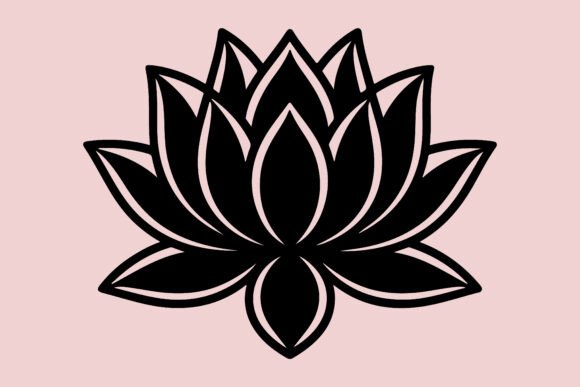
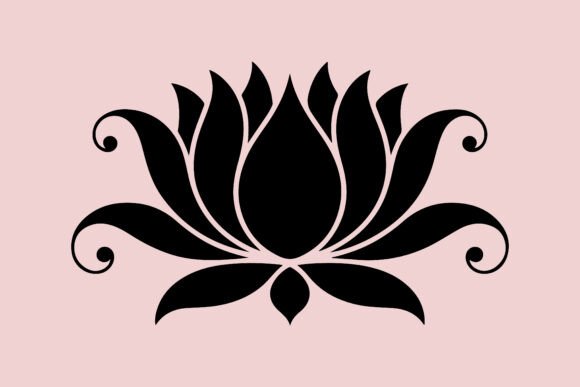
At its core, Natural Beauty Flower encompasses a vast array of visual styles, including vector illustrations, hand-drawn sketches, geometric patterns, and realistic botanical studies. This diversity allows creators to select the perfect tone for their specific needs. For instance, a minimal line art silhouette of a blossom can convey sophistication and clarity, making it ideal for modern logos and icons. Conversely, a lush, detailed floral arrangement might serve as the centerpiece for a romantic wedding invitation or a vibrant summer poster. The key lies in understanding how different interpretations of nature—whether abstract, retro, or strictly botanical—can influence the viewer’s perception.
Designers often face the challenge of creating visuals that stand out in a saturated market while remaining relevant and appealing. Natural Beauty Flower assets provide a solution by offering familiar yet endlessly variable shapes. A single leaf or branch can be transformed into a decorative frame, an emblem, or a seamless background pattern. This adaptability ensures that floral elements are not just filler content but integral components of a cohesive design strategy. By leveraging high-quality vectors and illustrations, professionals can scale these images for any medium, from small business cards to large-scale banners, without losing resolution or detail.
Addressing Common Design Challenges with Botanical Assets
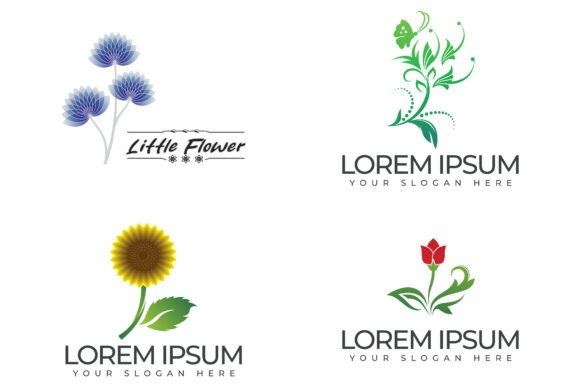
One of the primary hurdles in graphic design is achieving balance between complexity and clarity. Overly intricate designs can overwhelm the viewer, while stark minimalism may feel cold or impersonal. Natural Beauty Flower bridges this gap by introducing organic shapes that guide the eye naturally. For example, using a circular floral wreath as a frame creates a focal point for text or products, providing structure without rigid geometric constraints. This approach is particularly effective in branding, where an emblem needs to be memorable yet versatile across various applications.
Another common issue is maintaining consistency across a brand’s visual identity. A curated collection of floral icons, leaves, and blossoms ensures that all marketing materials share a unified aesthetic. Whether you are designing a spring campaign or a year-round luxury product line, having a dedicated set of botanical graphics allows for seamless integration. These elements can be mixed and matched to create unique compositions for social media posts, email headers, or packaging labels. The result is a professional, polished look that reinforces brand recognition and trust.
Practical Applications Across Industries
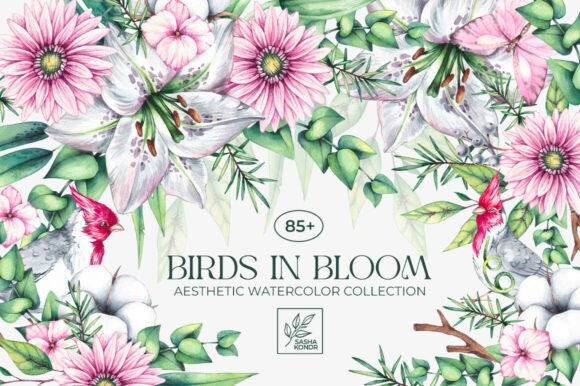
The utility of Natural Beauty Flower extends far beyond traditional greeting cards. In the wedding industry, elegant floral illustrations are indispensable for creating inviting and romantic atmospheres. From save-the-date cards to menu designs, these elements add a touch of luxury and personalization. Designers often combine soft, watercolor-style blossoms with classic typography to evoke a sense of timeless romance. Alternatively, for a more modern twist, geometric floral patterns can introduce a contemporary edge to traditional wedding stationery.
In the corporate sector, businesses are increasingly adopting biophilic design principles to promote well-being and sustainability. Incorporating plant and leaf motifs into office decor, websites, and annual reports can signal a commitment to environmental responsibility and natural harmony. A subtle background pattern of abstract leaves can soften a technical whitepaper, making it more approachable, while a bold floral banner can energize a retail storefront during the summer season. The versatility of these graphics allows brands to align their visual identity with their core values, whether that involves elegance, growth, or vitality.
For digital marketers and content creators, floral elements offer excellent opportunities for engagement. Social media templates featuring isolated flowers or decorative borders can enhance the visual appeal of posts, encouraging higher interaction rates. These graphics are particularly effective during seasonal campaigns, such as spring launches or holiday promotions. By using themed floral sets, marketers can quickly produce high-quality content that feels fresh and relevant. Additionally, the use of vector-based illustrations ensures that these assets remain crisp and clear on all devices, from smartphones to desktop monitors.
Tailoring Floral Designs to Different Audiences
Different user groups approach Natural Beauty Flower with distinct goals and preferences. Luxury brands, for instance, often favor refined, detailed illustrations that exude exclusivity and sophistication. They might opt for black-and-white line art or muted, earthy tones to convey elegance and understatement. In contrast, lifestyle and wellness brands may prefer vibrant, colorful blossoms that evoke energy, joy, and vitality. Understanding these nuances is crucial for selecting the right style and color palette.
DIY enthusiasts and small business owners also benefit greatly from accessible floral design resources. Pre-made templates and icon sets allow non-designers to create professional-looking materials without extensive technical skills. By using drag-and-drop tools combined with high-quality floral vectors, individuals can design custom invitations, logos, and promotional materials that reflect their personal style. This democratization of design empowers users to express their creativity while maintaining a polished appearance.
Moreover, the trend toward sustainability has influenced how floral designs are perceived and used. Consumers are increasingly drawn to authentic, organic representations of nature rather than overly stylized or artificial images. Hand-drawn illustrations and realistic botanical prints resonate with audiences who value transparency and connection to the natural world. Designers can leverage this preference by incorporating textured, imperfect lines and natural color schemes into their work, enhancing the perceived authenticity of the brand.
Implementation Tips for Maximum Impact
To effectively integrate Natural Beauty Flower into your projects, consider the following recommendations. First, prioritize quality over quantity. A few well-chosen, high-resolution vectors will have a greater impact than numerous low-quality images. Look for collections that offer variety in terms of shape, size, and style, allowing for flexible composition. Second, pay attention to spacing and layout. Floral elements should complement, not compete with, other design components. Use negative space wisely to let the flowers breathe and draw attention to key messages.
Third, experiment with layering and opacity. Combining semi-transparent floral overlays with solid text or images can create depth and visual interest. This technique is particularly useful for backgrounds and banners, where you want to add texture without obscuring content. Finally, stay consistent with your color palette. Whether you choose pastel hues for a soft, romantic feel or bold colors for a striking modern look, ensure that all floral elements harmonize with the overall design scheme.
In conclusion, Natural Beauty Flower is more than just a decorative trend; it is a powerful tool for enhancing visual communication. By understanding the diverse styles, applications, and audience preferences associated with floral design, creators can produce compelling, effective, and aesthetically pleasing works. Whether you are aiming for elegance, modernity, or organic warmth, integrating these botanical elements into your design strategy can elevate your brand and connect with your audience on a deeper level. Embrace the versatility of nature-inspired art, and let the beauty of flowers transform your creative projects.