Stone Circle Mosaic Pattern: Elevating Spaces with Timeless Circular Design
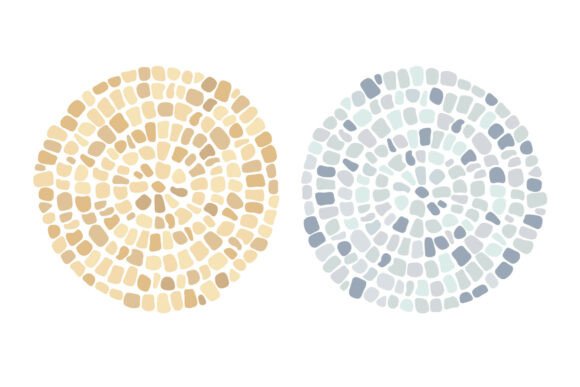
The Stone Circle Mosaic Pattern is more than just a decorative element; it is a bridge between ancient craftsmanship and modern interior design. When you visualize a blue antique stone circular mosaic pattern, you are likely picturing a sophisticated blend of texture, history, and geometric precision. This specific style, often reminiscent of decorative Greek antique stone ornaments, offers a unique aesthetic that can transform mundane surfaces into focal points of artistic expression. Whether you are an architect, a homeowner, or a graphic designer, understanding the versatility of this round paving circular floor tile concept can open up new avenues for creative and functional design.
Bridging History and Modern Aesthetics
At its core, the stone circle mosaic draws inspiration from classical antiquity. The abstract brick mosaic texture mimics the hand-laid stones found in ancient Greek courtyards and Roman pathways. However, contemporary applications have refined this look. Today’s interpretations often come as high-quality vector illustrations available in AI, EPS 10, JPG, and PNG formats with transparent backgrounds. This digital accessibility allows designers to integrate the organic feel of stone into digital mockups, branding materials, and virtual renderings before any physical installation takes place.
The appeal lies in the contrast. The rigid geometry of a perfect circle softens the harsh lines of modern architecture. The "antique" finish, often characterized by varying shades of blue, grey, and slate, adds depth and character that flat, uniform tiles simply cannot achieve. It creates a sense of permanence and grounding, making it an ideal choice for spaces that aim to feel both luxurious and lived-in.
Real-World Applications for Homeowners and Designers
For homeowners, the primary challenge is often finding a design statement that feels personal yet timeless. The Stone Circle Mosaic Pattern excels in entryways and foyers. Imagine stepping into a home where the floor greets you with a intricate circular medallion. This not only defines the transition space but also sets the tone for the rest of the interior. The circular shape naturally guides foot traffic, subtly directing guests toward the main living areas without the need for physical barriers.
In bathrooms, this pattern transforms a utilitarian space into a spa-like retreat. Using a blue antique stone variant in a shower floor or as a backsplash behind a vanity adds a touch of Mediterranean flair. The texture provides necessary slip resistance while the visual complexity distracts from water spots and minor maintenance issues, a practical benefit often overlooked in glossy tile choices.
Kitchens are another prime location. Instead of a traditional rectangular backsplash, a circular mosaic inset behind the stove or sink can serve as a piece of functional art. It breaks the monotony of cabinetry and countertops, adding a layer of visual interest that doesn’t overwhelm the space. For those who prefer subtlety, using the pattern as a border around a kitchen island can define the zone without closing it off.
Commercial and Hospitality Industry Benefits
The hospitality industry thrives on atmosphere, and the Stone Circle Mosaic Pattern is a powerful tool for brand storytelling. Boutique hotels and upscale restaurants often use these designs to create Instagram-worthy moments. A lobby featuring a large-scale round paving circular floor tile design becomes an immediate photo opportunity, encouraging social sharing and organic marketing.
For retail spaces, particularly those selling luxury goods, jewelry, or high-end fashion, the floor design contributes to the perceived value of the products. The abstract brick mosaic texture suggests craftsmanship and attention to detail, qualities that customers subconsciously associate with the brands housed within the space. Furthermore, the durability of stone mosaics makes them suitable for high-traffic commercial areas, offering longevity that vinyl or printed carpets cannot match.
Spas and wellness centers benefit significantly from the calming properties of the blue antique stone color palette. Blue is psychologically associated with tranquility and cleanliness. Incorporating this pattern into pool decks, sauna floors, or meditation rooms enhances the therapeutic environment. The irregularities in the stone texture also provide a natural massage effect underfoot, adding a sensory dimension to the visual appeal.
Digital Design and Graphic Resources
Beyond physical installation, the availability of this pattern as a vector illustration in AI and EPS 10 formats is a game-changer for graphic designers. These files allow for infinite scalability without loss of quality, meaning the same design can be used on a business card or a building-sized banner. The PNG format with a transparent background is particularly useful for web designers who want to overlay the stone texture onto existing images or colored backgrounds without cumbersome editing.
Architects and interior designers use these digital assets to create realistic 3D renderings for client presentations. Being able to show a client exactly how a Stone Circle Mosaic Pattern will look in their specific space, with accurate lighting and shadow effects, helps secure approvals and reduces the risk of post-installation dissatisfaction. It allows for experimentation with different color variations, such as swapping the blue antique stone for warmer earth tones, to see what best complements the surrounding decor.
Key Considerations Before Implementation
While the aesthetic benefits are clear, there are practical considerations to keep in mind. Installation of genuine stone mosaics requires skilled labor. The irregular shapes and sizes of the stones mean that setting them properly is more time-consuming than laying standard ceramic tiles. This can increase the overall cost of the project. However, the longevity and unique beauty of stone often justify the initial investment.
Maintenance is another factor. Natural stone is porous and may require sealing to prevent staining, especially in kitchens or outdoor areas exposed to the elements. Regular cleaning with pH-neutral cleaners is recommended to preserve the integrity of the stone and the grout. For those concerned about maintenance, high-quality porcelain replicas that mimic the look of antique stone offer a lower-maintenance alternative, though they may lack the tactile depth of the real material.
Scale is crucial. A small circular pattern can get lost in a large room, while an overly large design might overwhelm a compact space. It is essential to proportion the mosaic to the room’s dimensions. In smaller areas, a simpler design with fewer colors works best, whereas larger spaces can handle complex, multi-tonal patterns. Lighting also plays a significant role; natural light enhances the texture and color variations of the stone, while artificial lighting should be carefully planned to avoid harsh shadows that might obscure the design details.
Why Choose Circular Patterns Over Traditional Grids?
Traditional grid patterns are safe and predictable, but they can feel static. The Stone Circle Mosaic Pattern introduces movement and flow. Circles are inherently dynamic, drawing the eye inward and creating a sense of unity. In open-plan living spaces, circular rugs or floor inlays can help define distinct zones without using walls, maintaining the airy feel of the open layout while providing visual structure.
Moreover, the circular motif is universally appealing. It lacks the aggressive angles of squares or triangles, creating a softer, more inviting atmosphere. This makes it particularly suitable for family homes, healthcare facilities, and educational institutions where a welcoming environment is paramount. The abstract nature of the brick mosaic texture also allows it to blend seamlessly with various design styles, from rustic farmhouse to sleek minimalist modern.
In conclusion, whether you are looking to renovate a historic property, design a modern commercial space, or create digital assets for a design portfolio, the Stone Circle Mosaic Pattern offers a versatile and enduring solution. Its combination of historical resonance, aesthetic flexibility, and practical durability makes it a standout choice for anyone seeking to add depth and character to their environment. By understanding its applications and considerations, you can leverage this timeless design element to create spaces that are not only beautiful but also meaningful and functional.