The Art of Botanical Illustration: Bringing Vegetables to Life in Design
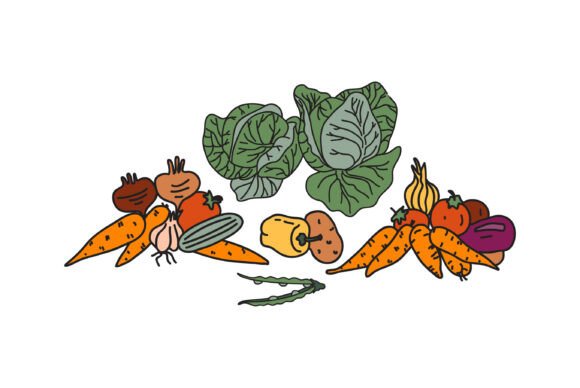
In the vibrant world of graphic design, few elements possess the universal appeal and versatility of botanical illustrations. Specifically, the trend of using hand-drawn, cartoon-style vegetables has surged in popularity across various creative industries. From wedding invitations to product packaging, these colorful depictions of nature’s bounty offer a unique blend of whimsy and elegance. This article explores the significance of set botanical different vegetables, isolated on white backgrounds, and how these vector illustrations are transforming modern visual communication.
Understanding the Appeal of Hand-Drawn Veggies
At first glance, a collection of cabbage, carrot, peas, pepper, onion, and tomato might seem like simple grocery items. However, when rendered through the lens of artistic interpretation, they become powerful design assets. The phrase "set botanical decorative different vegetables isolated on white background" describes a specific type of digital asset that is highly sought after by designers. But why is this particular style so effective?
The answer lies in the balance between realism and stylization. Unlike photographic images, which can feel sterile or overly commercial, hand-drawn cartoon colorful veggies evoke a sense of warmth, nostalgia, and organic authenticity. They remind viewers of farmers' markets, home gardens, and wholesome meals. This emotional connection is crucial in marketing and storytelling, where brands aim to establish trust and relatability with their audience.
The Technical Advantage of Vector Illustrations
One of the primary reasons these illustrations are so prevalent in professional design is their format: vector illustration. For those new to graphic design, it is essential to understand the difference between raster images (like JPEGs or PNGs) and vectors. Raster images are made of pixels and can lose quality when resized. Vectors, however, are based on mathematical paths, allowing them to be scaled infinitely without any loss of clarity.
This technical feature makes vector vegetables ideal for a wide range of applications. Whether you are designing a tiny label for a jam jar or a massive banner for a food festival, the crisp lines and vibrant colors remain intact. This scalability ensures that your design looks professional regardless of the medium, saving time and resources in the production process.
Versatility in Modern Design Applications
The utility of botanical vegetable sets extends far beyond simple decoration. These elements serve as foundational building blocks for numerous creative projects. Let us explore how these illustrations fit into various aspects of modern life, business, and creativity.
Celebrations and Event Stationery
One of the most popular uses for these graphics is in the realm of event planning. Consider a Birthday party with a "farm-to-table" theme or a rustic Wedding reception. Designers often incorporate illustrations of peppers, tomatoes, and carrots into Greeting Cards, Flyers, and Invitations. The playful nature of cartoon veggies adds a touch of humor and lightness, making the event feel welcoming and fun.
For example, a wedding menu might feature a delicate border of pea pods and onion slices, subtly hinting at the fresh, organic cuisine being served. This approach not only enhances the aesthetic appeal of the print material but also reinforces the thematic narrative of the celebration.
Branding and Product Packaging
In the competitive landscape of retail, standing out on the shelf is critical. Food brands, in particular, leverage botanical illustrations to communicate quality and natural ingredients. A bottle of organic ketchup might feature a prominent, hand-drawn tomato on its Label, while a health snack company could use carrots and peas on their Product packaging to emphasize freshness.
These design elements help create a cohesive brand identity. When customers see consistent use of colorful, hand-drawn veggies across a brand’s Shop front, website, and packaging, it builds recognition and trust. It signals that the brand values creativity, nature, and transparency.
Educational and Creative Resources
Beyond commercial use, these illustrations play a significant role in education and personal creativity. Teachers and parents often use colorful vegetable graphics in worksheets and learning materials to engage children in topics related to nutrition, biology, and agriculture. The friendly, cartoonish style makes learning about healthy eating habits less intimidating and more enjoyable for young minds.
Furthermore, these vectors are perfect for DIY projects. Hobbyists use them for Embroidery patterns, transferring the clean lines of digital art onto fabric. Artists also utilize them as templates for Coloring Books, allowing users to add their own creative twist to the pre-drawn outlines. This adaptability highlights the intersection of digital design and traditional crafts.
Common Misconceptions About Stock Illustrations
Despite their popularity, there are several misunderstandings regarding the use of stock botanical illustrations. Clarifying these can help designers and business owners make better decisions.
- Misconception 1: All vegetable illustrations look the same. In reality, styles vary widely. Some are hyper-realistic, while others are abstract or whimsical. The "cartoon colorful" style mentioned here is distinct for its playful lines and bright palette, differing significantly from scientific botanical drawings.
- Misconception 2: They are only for food businesses. While naturally associated with food, these graphics are used in Fashion prints, Wallpaper designs, and even tech startup branding to convey growth, health, and sustainability.
- Misconception 3: They lack professionalism. On the contrary, high-quality vector illustrations require skilled artistry. When used correctly, they elevate a design by adding a custom, curated feel that generic clip-art cannot match.
How to Effectively Use Vegetable Vectors in Your Projects
To maximize the impact of these design elements, consider the following best practices. These tips will help you integrate botanical veggies seamlessly into your creative workflow.
- Choose the Right Color Palette: While the illustrations are colorful, ensure they complement your overall design scheme. You can adjust the hues in vector software to match your brand colors or event theme.
- Mind the Composition: Since the vegetables are isolated on a white background, they are easy to layer. Create depth by overlapping items, such as placing a carrot behind a leaf of cabbage. This adds visual interest and complexity to your Poster or Banner.
- Contextualize the Message: Use the vegetables to support your narrative. If you are designing a Story template about healthy living, arrange the veggies to lead the eye toward key text points. For a Cover design, create a balanced frame that draws attention to the title.
- Respect Licensing: Always check the usage rights of the vector files. Ensure you have the appropriate license for commercial use, especially if you are creating products for sale or large-scale Advertising campaigns.
The Broader Impact on Visual Culture
The rise of botanical vegetable illustrations reflects a broader cultural shift towards sustainability and wellness. In an increasingly digital and fast-paced world, people crave connections to nature and simplicity. These illustrations serve as visual anchors to that desire, reminding us of the earth, the seasons, and the joy of cooking with fresh ingredients.
Moreover, this trend democratizes design. With accessible tools and affordable stock resources, small business owners, independent artists, and educators can create professional-grade materials without needing extensive artistic training. This accessibility fosters a more diverse and vibrant visual landscape, where creativity flourishes across all sectors.
Conclusion
From Print Page layouts to digital Template covers, set botanical different vegetables offer endless possibilities for creative expression. Their ability to convey warmth, health, and charm makes them indispensable in modern graphic design. By understanding the technical benefits of vector formats and the emotional resonance of hand-drawn styles, designers can harness these elements to create compelling, effective, and beautiful works.
Whether you are planning a celebration, launching a new product, or simply adding a splash of color to your daily projects, remember the power of the humble vegetable. Embracing these artistic representations allows us to celebrate the beauty of nature in our everyday lives, one illustration at a time.