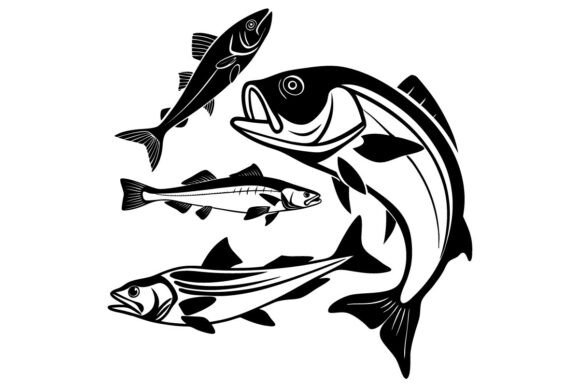
The Artistic and Commercial Power of Black and White Alaskan Pollock Fish Illustrations
In the evolving landscape of digital design and print media, specific visual assets have transcended their utilitarian origins to become powerful tools for branding, education, and artistic expression. Among these, the Black and White Alaskan Pollock Fish Ill stands out as a prime example of how niche biological imagery can serve broad creative needs. This is not merely a stock image; it is a versatile design element that bridges the gap between scientific accuracy and aesthetic minimalism. As creators and entrepreneurs look for content that resonates with authenticity and clarity, detailed black and white illustrations of marine life are experiencing a renaissance.
Defining the Asset: More Than Just a Sketch
When we refer to a Black and White Alaskan Pollock Fish Ill, we are describing a high-fidelity, monochromatic rendering of one of the world’s most commercially significant fish species. The Alaskan pollock (Gadus chalcogrammus) is a staple of global fisheries, yet its visual representation in media has often been overlooked in favor of more charismatic marine animals like tuna or salmon. However, the intricate scale patterns, the distinct lateral line, and the structural anatomy of the pollock offer a rich canvas for illustrators.
The "black and white" aspect is crucial. By stripping away color, the illustration forces the viewer to focus on form, texture, and line weight. This style harkens back to classical natural history engravings, evoking a sense of authority, tradition, and educational value. For professionals in publishing, packaging, and interior design, this aesthetic provides a neutral yet sophisticated backdrop that does not clash with existing brand colors or interior palettes.
The Resurgence of Monochromatic Naturalism
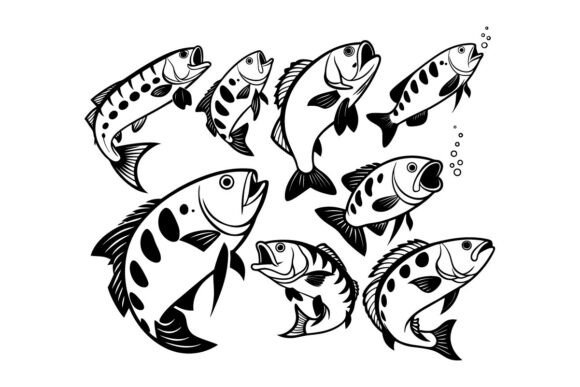
Why are people paying attention to this specific type of imagery now? The answer lies in broader consumer trends favoring transparency, sustainability, and artisanal quality. In an era of digital saturation, there is a growing appetite for visuals that feel grounded and tangible. Detailed black and white illustrations depicting various species of fish, showcasing intricate designs ideal for educational, artistic, and decorative purposes, fulfill this desire for substance over flash.
This trend aligns with the "slow design" movement, where consumers appreciate the craftsmanship behind an image. A hand-drawn or meticulously digitized ink illustration suggests care and precision. For marketers, using a Black and White Alaskan Pollock Fish Ill signals a commitment to quality and detail. It moves away from the generic, hyper-saturated stock photography that dominates many corporate websites, offering instead a unique visual identity that stands out in a crowded marketplace.
Educational and Scientific Applications
In the educational sector, clarity is paramount. Color can sometimes distract from structural details, whereas high-contrast black and white lines highlight anatomical features effectively. Teachers, textbook publishers, and e-learning developers utilize these illustrations to teach biology, ecology, and sustainable fishing practices. The Alaskan pollock, being a keystone species in the North Pacific ecosystem, serves as an excellent case study for food webs and commercial fisheries management.
- Clarity: High-contrast lines make it easier to identify fins, scales, and body structure.
- Reproducibility: Black and white images print clearly on low-cost paper, making them ideal for worksheets and handouts.
- Timelessness: Unlike color trends which fade, monochrome scientific illustrations remain relevant for decades.
Commercial Viability in Packaging and Branding
For entrepreneurs in the food and beverage industry, particularly those involved in seafood processing or sustainable goods, packaging design is a critical touchpoint. The use of a detailed black and white illustration on product packaging conveys a premium, artisanal feel. It suggests that the product inside is natural, unprocessed, and honest.
Consider a brand selling sustainably sourced pollock fillets. Using a vibrant, cartoonish logo might appeal to children, but it fails to communicate seriousness about sustainability. Conversely, a sophisticated Black and White Alaskan Pollock Fish Ill on the box appeals to conscious consumers who value transparency. It aligns the brand with values of heritage and ecological responsibility. This approach is not limited to food; it extends to apparel, home decor, and stationery, where nature-inspired motifs are increasingly popular.
Adaptability Across Media Formats
One of the primary reasons professionals favor these illustrations is their technical versatility. A vector-based or high-resolution raster black and white image can be scaled, inverted, and manipulated without losing integrity. This fits seamlessly into modern workflows where content must be optimized for multiple platforms—from small mobile screens to large-format billboards.
- Digital Web Design: Light file sizes improve load times, enhancing user experience and SEO rankings.
- Print Media: Monochrome images require only one ink plate, reducing printing costs for large runs.
- Merchandise: Easy to apply to t-shirts, tote bags, and mugs using screen printing or heat transfer methods.
Connecting to Larger Developments in Design and Technology
The demand for assets like the Black and White Alaskan Pollock Fish Ill is also driven by advancements in digital creation tools. Modern software allows illustrators to create incredibly intricate designs that mimic traditional ink work while maintaining the flexibility of digital files. This fusion of old-world charm and new-world technology meets the changing expectations of clients who want bespoke, high-quality assets without the prohibitive costs of custom commissioning for every project.
Furthermore, the rise of remote work and global collaboration has standardized the need for universally understandable visual language. Black and white illustrations transcend cultural barriers associated with color symbolism. A fish illustration is recognized globally, making it an effective tool for international brands and NGOs working on ocean conservation issues.
The Role of Sustainability Narratives
Sustainability is no longer a niche concern; it is a central pillar of modern business strategy. The Alaskan pollock fishery is often cited as one of the best-managed fisheries in the world. By featuring this specific species in marketing materials, companies can subtly align themselves with success stories in environmental stewardship. The illustration becomes a visual shorthand for "sustainable," "managed," and "responsible."
Creators and marketers are increasingly expected to demonstrate ethical awareness. Using accurate, respectful representations of wildlife, rather than caricatures, shows a depth of engagement with the subject matter. It invites the audience to learn more, fostering a deeper connection between the consumer and the brand’s mission.
Practical Implementation for Creators
For freelancers and designers, integrating these illustrations into client projects requires a strategic approach. It is not enough to simply drop an image onto a layout. Context matters. The illustration should complement the typography and whitespace, creating a balanced composition that guides the eye.
Tip: When using a Black and White Alaskan Pollock Fish Ill, consider pairing it with serif fonts to enhance the classic, editorial feel, or with clean sans-serifs for a modern, minimalist look. Experiment with negative space; let the intricate details of the fish breathe within the design.
Moreover, ensure that the source of the illustration is reputable. Using licensed, high-quality assets protects both the creator and the client from copyright issues and ensures that the final output meets professional standards. In a market flooded with AI-generated imagery, authentic, human-crafted illustrations carry a premium value that discerning clients are willing to pay for.
Conclusion: The Enduring Appeal of Detailed Illustration
The Black and White Alaskan Pollock Fish Ill is more than a decorative element; it is a strategic asset in the toolkit of modern creators. It embodies the intersection of art, science, and commerce, offering a versatile solution for diverse applications. From educational textbooks to premium seafood packaging, these detailed black and white illustrations depicting various species of fish, showcasing intricate designs ideal for educational, artistic, and decorative purposes, provide a timeless aesthetic that resonates with contemporary values.
As we move forward, the emphasis on authenticity, sustainability, and visual clarity will only grow. Professionals who understand how to leverage such specific, high-quality visual resources will find themselves better equipped to meet the evolving needs of their audiences. Whether you are a marketer crafting a brand story, an educator developing curriculum, or an artist seeking inspiration, the humble pollock, rendered in stark black and white, offers a profound reminder of the power of detail and the enduring beauty of the natural world.
By embracing these illustrations, we do not just decorate our spaces or products; we communicate a respect for nature, a commitment to quality, and an appreciation for the intricate designs that define our planet’s biodiversity. In doing so, we create content that is not only visually striking but also meaningful and impactful.