Whimsical Watercolor Floral Clipart Guide
There is a distinct charm to hand-painted botanicals that digital precision often struggles to replicate. The soft bleed of pigment, the organic irregularity of petals, and the gentle transparency of watercolor create an emotional connection with the viewer that feels both nostalgic and fresh. When you incorporate Watercolor Cute Whimsical Flower Clipart into your creative projects, you are not just adding decoration; you are introducing a layer of warmth and approachability that can significantly elevate your brand identity or personal craft.
This collection offers thirty high-quality PNG files, each rendered at 4000 x 4000 pixels with a crisp 300 DPI resolution. These technical specifications are crucial for professional output. Whether you are designing a large-format poster for a spring festival or a delicate sticker for a planner, the clarity remains intact. The transparent backgrounds ensure seamless integration into any design software, allowing you to layer these floral elements without the hassle of manual cutouts or white halos.
The Aesthetic Appeal of Hand-Painted Botanicals
The visual language of whimsical watercolor florals is defined by its softness and unpredictability. Unlike vector graphics, which rely on mathematical perfection, watercolor illustrations embrace the fluid nature of the medium. You will notice subtle variations in color saturation, where pastel hues blend into one another, creating depth and dimension. This "imperfect" quality is precisely what makes the style so appealing in modern design. It signals authenticity and human touch, qualities that consumers increasingly value in a digitally saturated market.
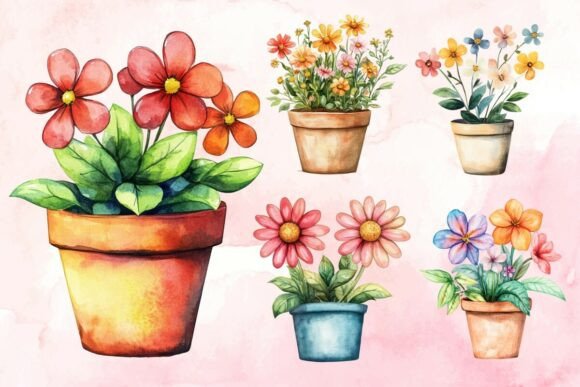
These designs feature a mix of wildflowers, garden blossoms, and leafy greens, all rendered in a palette of soft colors. The whimsical aspect comes through in the arrangement—loose, airy, and slightly asymmetrical. This boho-inspired aesthetic works exceptionally well for brands aiming to project a sense of freedom, creativity, and natural beauty. It is not rigid or corporate; it is inviting and gentle. For designers, this means the clipart can serve as a primary focal point or a subtle background texture, depending on how you manipulate opacity and scale.
When we discuss brand identity, we often think about logos and color codes. However, the illustrative elements you choose play a massive role in shaping perception. Using high-resolution watercolor assets suggests a brand that cares about details and aesthetics. It aligns well with industries such as wellness, bridal services, artisanal goods, and children’s products. The girly yet sophisticated vibe of these flowers bridges the gap between playful and elegant, making them versatile for a wide demographic range.
Versatile Applications Across Creative Industries
The utility of these PNG files extends far beyond simple digital decoration. Because they are provided at 300 DPI, they are print-ready, opening up a vast array of physical product opportunities. For entrepreneurs and small business owners, sublimation printing is a popular avenue. Imagine these delicate bouquets adorning t-shirts, mugs, or pillowcases. The transparent background allows the design to sit naturally on fabric or ceramic without looking like a stamped-on rectangle.
- Packaging Design: Use individual flower elements to create custom patterns for box wraps, tissue paper, or sticker seals. The botanical theme enhances the unboxing experience for handmade soaps, candles, or jewelry.
- Wedding and Event Stationery: The soft pastel tones are ideal for wedding invitations, save-the-dates, and menu cards. They complement serif fonts beautifully, adding a romantic touch without overwhelming the text.
- Digital Products: Bloggers and content creators can use these assets for social media graphics, Pinterest pins, or ebook covers. The high resolution ensures they look sharp on retina displays.
- Scrapbooking and Planners: For hobbyists, these printable elements are perfect for journaling. They add a personalized, artistic flair to daily planners, vision boards, and memory books.
In the realm of web design, these images can be used as hero section backgrounds or decorative dividers. Their light, airy feel contributes to a clean user interface, preventing visual clutter while maintaining interest. For editorial design, such as magazines or newsletters, watercolor florals can break up text-heavy layouts, providing visual rest points for the reader. The key is to treat these cliparts as flexible design assets rather than static images. By isolating specific flowers or leaves from the bouquet compositions, you can create custom wreaths, borders, or corner accents that fit your specific layout needs.
Strategic Integration for Professional Results
While the assets themselves are high quality, their impact depends on how you integrate them into your broader design strategy. One common mistake is overcrowding. Watercolor art thrives on negative space. Allow the flowers to breathe. If you are using them for logo design or brand marks, consider simplifying the composition. Select a single standout bloom or a small cluster rather than a dense bouquet. This ensures legibility and scalability, especially when the logo is used at smaller sizes on business cards or social media avatars.
Typography pairing is another critical consideration. Since watercolor florals are organic and soft, they pair exceptionally well with clean, modern sans serif fonts for a contemporary look, or elegant script fonts for a more traditional, romantic feel. Avoid overly decorative or distressed typefaces that might compete with the intricate details of the petals. The goal is harmony. The text should anchor the design, while the flowers provide emotional context. For instance, a bold sans serif headline paired with a delicate watercolor wreath creates a striking contrast that draws the eye and establishes a clear visual hierarchy.
Color consistency is also vital. Although these cliparts come in preset pastel tones, you may need to adjust them to match your brand’s specific color palette. Most image programs allow you to tweak hue and saturation. However, be cautious not to push the colors too far, as this can result in banding or loss of the natural watercolor texture. If your brand uses vibrant, neon colors, these soft pastels might require careful balancing with neutral backgrounds to ensure they do not appear washed out.
From a commercial perspective, understanding licensing is essential. These files are suitable for both personal and commercial projects, which is a significant advantage for freelancers and agencies. You can use them in client work, from packaging design for a skincare line to social media graphics for a lifestyle coach. Always verify the specific terms of use, but generally, high-quality clipart bundles like this are designed to support creative professionals in delivering polished, professional-grade results without the need for custom illustration commissions.
Maximizing Value in Your Workflow
To get the most out of these thirty unique designs, organize them logically within your asset library. Tag them by color, flower type, or composition style. This saves time when you are in the flow of creation and need a specific element quickly. Consider creating mockups to test how the flowers look on different substrates. A design that looks stunning on a white digital background might behave differently on a kraft paper label or a dark-colored mug. Testing these variables early prevents costly revisions later.
Furthermore, think about seasonality. While these flowers are perennial in appeal, they have a strong association with spring and summer. Plan your marketing campaigns accordingly. Launching a new product line with these visuals in March or April leverages the natural cultural association with renewal and growth. However, do not limit yourself. The boho and botanical trends are year-round staples in interior design and fashion, meaning these assets remain relevant regardless of the season.
Ultimately, Watercolor Cute Whimsical Flower Clipart is more than just a set of images; it is a tool for storytelling. It allows you to convey gentleness, nature, and creativity instantly. By understanding the technical quality, aesthetic nuances, and strategic applications of these assets, you can enhance your design work, strengthen your brand presence, and create products that resonate deeply with your audience. The combination of high-resolution usability and artistic charm makes this collection a valuable addition to any designer’s toolkit.