Integrating Monogram. Trendy Vintage Royal Ornament into Professional Branding Workflows
In the landscape of modern graphic design, the intersection of heritage aesthetics and contemporary minimalism offers a unique opportunity for brand differentiation. The Monogram. Trendy Vintage Royal Ornament represents more than a decorative element; it is a strategic asset for businesses aiming to convey authority, luxury, and timeless quality. Whether you are developing a visual identity for a boutique hotel, crafting labels for a premium alcohol brand, or designing invitations for high-end weddings, understanding how to effectively integrate this type of ornate logotype into your workflow is essential for maintaining consistency and elevating perceived value.
This article explores the practical application of vintage royal ornaments and monogram calligraphy within professional creative processes. We will examine preparation, compatibility with existing tools, implementation strategies, and quality control measures to ensure these assets serve their intended purpose without becoming visual clutter.
Defining the Asset and Its Strategic Role
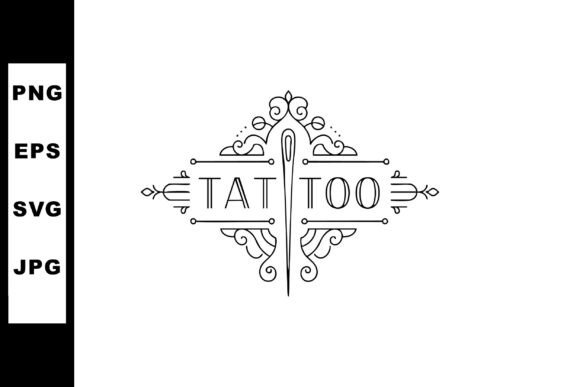
A Monogram. Trendy Vintage Royal Ornament typically consists of intricate vector lines, floral motifs, crests, or baroque-style flourishes surrounding or interwoven with initials. Unlike standard sans-serif logos, these designs carry historical weight. They evoke associations with royalty, craftsmanship, and exclusivity. For entrepreneurs and marketers, this psychological association is a powerful tool. It allows a new brand to borrow credibility from established historical design languages.
However, the complexity of these designs requires careful handling. In a broader design process, this asset functions as a focal point. It is not merely an embellishment but often the central anchor of a visual identity system. When used correctly, it simplifies decision-making for downstream applications, such as packaging, web headers, and printed collateral, by providing a pre-established tone of sophistication.
Preparation and File Management
Effective integration begins with proper file management. Most professional resources for this style are delivered in EPS (Encapsulated PostScript) and JPG formats. Understanding the distinction between these formats is critical for workflow efficiency.
- EPS Files: These are vector-based, meaning they can be scaled infinitely without loss of quality. This is the primary format for logo creation, large-format printing, and any scenario where resizing is required. Always keep the original EPS file in a secure, backed-up location as your "master" asset.
- JPG Files: These are raster images suitable for quick previews, web placeholders, or social media mockups where transparency is not required. They should not be used for final print production or scaling.
Before importing the ornament into your design software, organize your project directory. Create specific folders for "Vectors," "Raster Previews," and "Exports." This separation prevents accidental use of low-resolution JPGs in high-stakes print jobs, a common error that compromises brand quality. Additionally, verify the license terms associated with the vector object. Ensure that commercial usage rights align with your client’s needs, particularly if the design will be trademarked.
Integration with Design Software and Tools
The Monogram. Trendy Vintage Royal Ornament is designed to be compatible with industry-standard vector editing platforms such as Adobe Illustrator, CorelDRAW, and Affinity Designer. Because these are isolated design objects, they import cleanly without background noise, allowing for immediate manipulation.
When opening the EPS file, you may encounter grouped elements. It is best practice to ungroup these components initially to assess the structure. However, avoid over-editing the core paths unless necessary. The integrity of the calligraphy and ornamentation relies on precise bezier curves created by the original designer. Minor adjustments, such as changing stroke weights to match other brand elements, are acceptable, but altering the fundamental shape can disrupt the balance and elegance of the piece.
For web designers using platforms like WordPress or Shopify, the workflow involves converting the vector into optimized SVG or PNG formats. SVGs retain scalability for responsive web design, ensuring the monogram looks crisp on both mobile devices and 4K monitors. Always test the legibility of intricate details at smaller sizes, as fine lines in vintage ornaments can disappear or blur on lower-resolution screens.
Application Across Industries
The versatility of this design element allows it to fit seamlessly into various sectors. Here is how it interacts with specific industry workflows:
Luxury Hospitality and Hotels
For family-owned luxury hotels or boutique resorts, the monogram serves as a seal of approval. It is often embossed on key cards, stationery, and amenity packaging. In this context, the ornament reinforces the narrative of heritage and personalized service. Designers should pair the monogram with ample white space and serif typography to maintain an air of exclusivity. Overcrowding the design with too many colors or patterns diminishes the royal aesthetic.
Premium Alcohol and Beverage Brands
In the alcohol industry, label design is a critical touchpoint. A Monogram. Trendy Vintage Royal Ornament can act as the central badge on a whiskey bottle or wine label. Here, the interaction with printing techniques is vital. Consider how the design will look with foil stamping, embossing, or spot UV coating. The vector paths must be clean and closed to ensure accurate die-cutting or foil application. Collaborate early with your printer to adjust line thicknesses if necessary, ensuring the ornate details survive the physical production process.
Wedding and Event Planning
Calligraphy wedding decorative vectors are staples in the event industry. They are used for invitations, save-the-dates, and signage. The workflow here often involves customization, such as inserting the couple’s initials into the center of the ornament. Efficiency is key in this high-volume sector. Create templates where the monogram is a locked layer, allowing quick text swaps while preserving the decorative frame. This approach reduces revision time and ensures consistency across all event materials.
Maintaining Visual Consistency and Quality Control
One of the biggest challenges when using ornate elements is maintaining visual harmony. The Monogram. Trendy Vintage Royal Ornament is visually heavy. To balance this, pair it with minimalist secondary elements. Avoid using other complex patterns or busy backgrounds nearby. Let the monogram breathe.
Establish a clear hierarchy. If the monogram is the primary logo, use simplified versions or just the initials for secondary applications like social media avatars or website footers. This adaptation ensures recognizability without sacrificing legibility. Document these rules in a brand style guide. Include specifications for minimum clear space, acceptable color variations (e.g., gold on black, white on navy), and prohibited modifications.
Quality control also involves checking contrast. Vintage ornaments often feature thin lines. Ensure sufficient contrast between the ornament and its background. A light gray ornament on a white background may look elegant on a calibrated monitor but vanish in print. Always proof physical samples under varied lighting conditions before full-scale production.
Long-Term Value and Adaptability
Investing in a high-quality vintage royal ornament provides long-term value. Unlike trendy flat designs that may feel dated in a few years, classical ornamentation has enduring appeal. It ages well, often gaining perceived value as the brand matures. However, adaptability is crucial. As digital platforms evolve, ensure your vector files are updated to meet new technical standards, such as dark mode compatibility or animation readiness for motion graphics.
Regularly audit your usage of the monogram. Are there instances where it is being stretched, distorted, or placed on clashing backgrounds? Correcting these inconsistencies promptly preserves brand integrity. Engage with your team—marketers, printers, and web developers—to ensure everyone understands the proper handling of this asset. Clear communication prevents misuse and ensures that the Monogram. Trendy Vintage Royal Ornament continues to elevate your brand’s perception rather than detract from it.
By treating this decorative vector not just as an image but as a core component of your strategic workflow, you leverage its full potential. From initial file organization to final print production, every step matters. The result is a cohesive, luxurious brand presence that resonates with discerning audiences and stands the test of time.