The Timeless Elegance of Vintage Illustration: A Guide to the Female Singer in a Long Green Dress
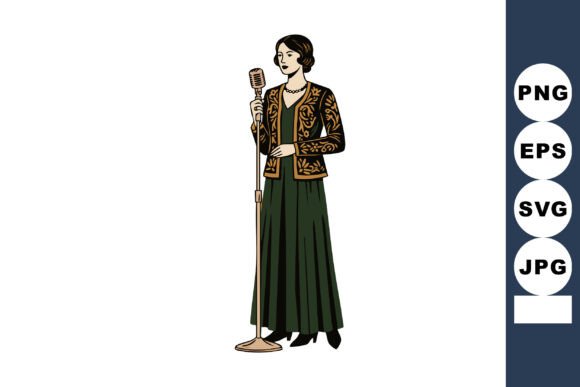
In the vast landscape of digital design and creative assets, few images capture the imagination quite like the vintage female singer. Specifically, the illustration of a woman in a long green dress and a decorative jacket, standing poised before an old-style microphone, evokes a sense of nostalgia, sophistication, and artistic grace. This specific visual motif is not merely a decorative element; it is a powerful tool for storytellers, designers, and brand managers looking to infuse their projects with an air of classic elegance.
For those new to the world of digital illustrations, understanding the value and versatility of such assets can transform how you approach creative work. Whether you are designing a website, creating marketing materials, or simply curating a personal collection of art, knowing how to utilize these files effectively is essential. This article explores the significance of this vintage aesthetic, breaks down the technical aspects of the downloadable formats (SVG, EPS, JPG, and PNG), and provides practical advice on integrating this elegant mood into modern projects.
Why the Vintage Aesthetic Resonates Today
The appeal of vintage imagery lies in its ability to transport viewers to a different era. The image of a singer from the mid-20th century—perhaps reminiscent of the jazz clubs of the 1940s or the soulful stages of the 1950s—carries with it a cultural weight. It suggests authenticity, warmth, and a connection to history. In an age where digital content can often feel sterile or overly polished, vintage illustrations offer a human touch.
The choice of a long green dress is particularly significant. Green is a color associated with balance, harmony, and nature, but in a vintage context, deep emerald or forest greens often signify luxury and depth. When paired with a decorative jacket, the outfit suggests a performer who is both stylish and serious about her craft. The old-style microphone serves as an anchor, grounding the image in a specific technological and cultural moment. Together, these elements create a narrative of elegance that transcends time.
Modern audiences are increasingly drawn to retro styles. This trend, often referred to as "nostalgia marketing," leverages the emotional comfort of the past to build trust and engagement in the present. By using an illustration that embodies this elegant mood, creators can tap into these positive associations, making their content feel more established and trustworthy.
Understanding the File Formats: SVG, EPS, JPG, and PNG
When you download a ZIP file containing this illustration, you are typically provided with four distinct file types: SVG, EPS, JPG, and PNG. For beginners, this variety might seem overwhelming. However, each format serves a unique purpose, and understanding them is crucial for maximizing the utility of your asset.
Vector Files: SVG and EPS
Vector files are the gold standard for professional design. Unlike pixel-based images, vectors are made of mathematical paths. This means they can be scaled up or down infinitely without losing quality.
- SVG (Scalable Vector Graphics): This format is ideal for web use. It loads quickly, remains crisp on high-resolution screens (like Retina displays), and can even be animated or styled with CSS code. If you are placing the singer illustration on a website header or a responsive landing page, SVG is your best choice.
- EPS (Encapsulated PostScript): This is the preferred format for print professionals. If you plan to print the illustration on large posters, banners, or merchandise, EPS ensures that the lines of the decorative jacket and the folds of the green dress remain sharp, regardless of the size.
Raster Files: JPG and PNG
Raster files are composed of pixels. While they cannot be scaled up indefinitely without becoming blurry, they are widely compatible and easy to use in everyday applications.
- JPG (Joint Photographic Experts Group): This format is best for photographs or complex images where file size is a concern. However, for illustrations with clean lines and solid colors, JPGs can sometimes introduce compression artifacts. Use this format for quick previews or social media posts where absolute precision is less critical.
- PNG (Portable Network Graphics): PNGs support transparency, which is vital for layering images. If you want to place the vintage singer over a textured background or a colored section of your website without a white box surrounding her, the PNG file is essential. It preserves the integrity of the illustration while allowing for flexible design compositions.
Practical Applications in Modern Design
So, how do you actually use this illustration? The versatility of the vintage female singer allows her to fit into a wide array of contexts. Here are several practical examples:
- Music and Entertainment Branding: Obviously, this image is perfect for jazz clubs, vinyl record stores, or music festivals. It sets a tone of classic sophistication. You might use the SVG version for a logo icon and the PNG for promotional flyers.
- Fashion and Lifestyle Blogs: The long green dress and decorative jacket are fashion statements in their own right. A lifestyle blogger could use this illustration to discuss vintage fashion trends, sustainable clothing, or the history of stage costumes. The elegant mood complements articles on mindfulness, self-care, or artistic living.
- Café and Restaurant Menus: Establishments that pride themselves on a retro ambiance can use this illustration on their menus or wall art. It reinforces the brand identity and creates a cohesive visual experience for customers.
- Educational Materials: Teachers and educators discussing the history of music, the evolution of technology (represented by the microphone), or mid-20th-century culture can use this image to make their presentations more engaging and visually appealing.
Common Misunderstandings About Vintage Assets
There are a few common assumptions people make when working with vintage-style illustrations. Clarifying these can help you avoid pitfalls in your design process.
Misconception 1: Vintage Means Low Resolution. Many assume that because an image looks "old," it should look grainy or low-quality. However, modern digital illustrations recreate the vintage aesthetic using high-resolution techniques. The ZIP file you download contains crisp, clean lines. You can choose to add texture or grain later if desired, but starting with a high-quality asset gives you more control.
Misconception 2: One Format Fits All. As discussed earlier, using a JPG for a large print project will result in pixelation. Conversely, using an EPS for a simple Instagram post is unnecessary and may require conversion. Matching the file format to your specific medium is key to professional results.
Misconception 3: Limited Color Palettes. While the illustration features a prominent green dress, vector files (SVG and EPS) are often editable. If your brand colors are blue or red, you may be able to open the vector file in design software like Adobe Illustrator or Inkscape and change the colors to match your needs. This flexibility makes the asset far more valuable than a static image.
Integrating the Illustration into Your Workflow
To get the most out of your downloadable ZIP file, follow these simple steps:
- Unzip and Organize: Extract all files into a dedicated folder. Label them clearly (e.g., "Singer_SVG," "Singer_PNG_Transparent").
- Define Your Purpose: Are you printing or publishing online? This decision determines whether you reach for the EPS/SVG or the JPG/PNG.
- Check Licensing: Always review the license agreement included with the download. Ensure you have the rights for commercial use if you are using the image for business purposes.
- Experiment with Layouts: Try placing the singer against different backgrounds. The transparency of the PNG allows for creative layering. Consider adding text that complements the elegant mood, using serif fonts that echo the vintage era.
Conclusion
The illustration of a vintage female singer in a long green dress is more than just a pretty picture. It is a versatile design asset that bridges the gap between past and present. By understanding the technical differences between SVG, EPS, JPG, and PNG files, you can ensure that your projects look professional across all platforms. Whether you are a seasoned designer or a beginner looking to add a touch of class to your work, this image offers a wealth of creative possibilities. Embrace the elegant mood, respect the technical details, and let this timeless character sing for your brand.
For more resources on digital illustration and design best practices, consider exploring our other guides on vector graphics and retro branding strategies. Click here to browse our full collection of vintage assets.