The Timeless Elegance of the Ionic Column in Antique White Marble
There is a profound sense of stability and grace that comes with classical architecture. When we look at the grand structures of antiquity, from the Parthenon in Athens to the Pantheon in Rome, our eyes are inevitably drawn upward to the vertical elements that hold these masterpieces together. The Pillar or Column is not merely a structural necessity; it is a statement of power, beauty, and enduring tradition. Among the various materials and styles available to modern designers and historians alike, the Antique White Marble Greek or Roman decorative element for palace building stands out as a pinnacle of aesthetic refinement.
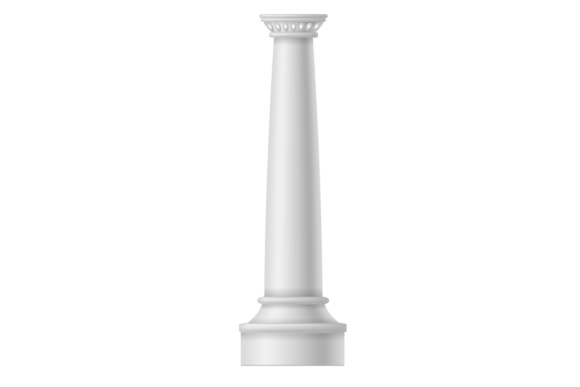
Specifically, the Ionic order offers a unique blend of sophistication and strength. Unlike the sturdy, unadorned Doric style or the highly ornate Corinthian variant, the Ionic column strikes a perfect balance. It is characterized by its slender proportions and, most notably, the volutes—those scroll-like ornaments that crown the capital. When rendered in Antique White Marble G, this architectural feature transcends mere decoration, becoming a focal point that bridges the gap between ancient history and contemporary design.
Understanding the Ionic Order and Its Visual Language
To truly appreciate the value of an Ancient classic architectural monument replica or original piece, one must understand the language of the orders. The Ionic order emerged in Ionia, a region on the coast of present-day Turkey, during the mid-6th century BC. It was later adopted and refined by the Greeks and subsequently the Romans. The defining characteristic is the capital, which features two large volutes resting on a band of egg-and-dart molding. This design creates a sense of movement and fluidity, contrasting with the rigid verticality of the shaft.
The shaft itself is typically fluted, with anywhere from 24 to 48 shallow grooves running vertically. These flutes catch the light, creating a play of shadow and highlight that enhances the column's perceived height and elegance. In the context of a Pillar or Column made from Antique White Marble, these details are not just carved; they are revealed. Marble, with its natural veining and translucency, interacts with light in a way that synthetic materials simply cannot mimic. The result is a surface that feels alive, changing subtly with the time of day and the angle of illumination.
The Significance of Antique White Marble G
When sourcing materials for high-end restoration projects or luxury new builds, the specific grade of stone matters immensely. Antique White Marble G refers to a premium selection of marble that possesses the creamy, warm undertones associated with aged classical structures. Unlike stark, bright white marbles that can feel cold or clinical, this variety offers a sense of history and warmth. It evokes the feeling of sun-baked stone found in Mediterranean ruins, providing an immediate connection to the past.
This particular marble is prized for its consistency and workability. It allows artisans to carve the intricate details of the Ionic capital with precision, ensuring that the volutes are symmetrical and the egg-and-dart patterns are crisp. For architects and interior designers, choosing Antique White Marble G means investing in a material that will age gracefully. Over time, it develops a patina that enhances its character, rather than detracting from it. This makes it an ideal choice for both exterior facades and interior grand halls where longevity and beauty are paramount.
Integrating Classical Elements into Modern Spaces
While the Ionic order has its roots in ancient temples and palaces, its application is not limited to historical recreations. Today, there is a growing trend toward neoclassical and transitional design styles that incorporate these timeless elements into modern workflows and living spaces. A Pillar or Column can serve as a powerful visual anchor in a contemporary home, office, or public building.
Consider the open-plan living area, a staple of modern architecture. Without careful design, these spaces can feel vast and impersonal. Introducing a pair of Ionic columns in Antique White Marble can define zones without blocking light or view. They create a sense of procession and formality, guiding the eye and the movement of people through the space. Similarly, in commercial settings such as hotels, museums, or corporate lobbies, these columns convey a message of stability, trust, and prestige.
The versatility of the Ancient classic architectural monument aesthetic lies in its ability to complement various materials. Pairing Antique White Marble G with warm woods, brushed brass, or even sleek glass creates a dynamic contrast that highlights the best qualities of each material. The coolness of the marble balances the warmth of wood, while the organic veining of the stone adds texture to smooth, modern surfaces.
Practical Considerations for Selection and Installation
Choosing the right Pillar or Column involves more than just aesthetic preference. There are practical factors to consider, including scale, proportion, and structural requirements. The height and diameter of the column must be proportional to the space it occupies. A column that is too thin for a high ceiling will look spindly and weak, while one that is too thick for a small room will feel oppressive.
For those looking to incorporate these elements without the weight and cost of solid stone, modern technology offers excellent alternatives. High-quality Vector isolated illustration EPS, JPG files are often used by designers to visualize how a column will look in a specific space before committing to construction. These digital assets allow for precise scaling and placement in renderings, helping clients make informed decisions. However, when it comes to the physical installation, authenticity matters. Solid Antique White Marble or high-grade fiberglass composites that mimic the stone’s texture and weight are preferred for their durability and realistic appearance.
Installation also requires careful planning. Structural columns must be integrated into the building’s framework, while decorative pilasters or half-columns can be attached to existing walls. It is crucial to work with experienced craftsmen who understand the nuances of working with marble. The stone is heavy and brittle, requiring specialized tools and techniques for cutting and polishing. Proper sealing is also essential to protect the Antique White Marble G from stains and etching, especially in high-traffic areas.
The Enduring Appeal of Classical Design
Why do we continue to draw inspiration from the Greek or Roman decorative element for palace building? The answer lies in the universal human desire for order, harmony, and beauty. Classical architecture is based on mathematical proportions that are pleasing to the eye. The Ionic order, with its balanced ratios and elegant details, embodies these principles perfectly. It represents a golden mean between austerity and excess, making it suitable for a wide range of applications.
In a world that often feels chaotic and transient, the presence of a classical column provides a sense of permanence. It connects us to a lineage of builders and thinkers who valued craftsmanship and enduring quality. Whether used in a grand estate, a public institution, or a private residence, a Pillar or Column in Antique White Marble is more than just a building component. It is a tribute to the enduring power of classical design.
For designers and homeowners alike, the decision to include such an element is a commitment to quality and taste. It requires an appreciation for detail and a willingness to invest in materials that will stand the test of time. The result is a space that feels grounded, elegant, and deeply connected to the rich history of architectural art. As we continue to innovate in construction and design, the timeless appeal of the Ancient classic architectural monument remains a source of inspiration and a benchmark for excellence.
Ultimately, the choice of Antique White Marble G for an Ionic column is a choice for legacy. It is a decision to create something that will be admired not just today, but for generations to come. In every flute, every volute, and every vein of the marble, there is a story of craftsmanship and beauty that continues to resonate in the modern world.