Understanding Tribal Wolf Head Line Art: A Guide to Style, Application, and Format Selection
In the realm of graphic design and body art, few motifs carry as much symbolic weight and visual impact as the wolf. When combined with tribal aesthetics, the result is a powerful image that speaks to heritage, strength, and spiritual connection. Tribal Wolf Head Line Art has emerged as a distinct category within digital illustration, characterized by its high-contrast black and white composition, intricate geometric patterns, and bold symmetrical structures. For designers, tattoo artists, and creative enthusiasts, understanding the nuances of this style is essential for selecting the right asset for a specific project.
This article explores the defining characteristics of tribal wolf illustrations, compares them against other popular artistic styles, and provides practical guidance on choosing the appropriate file formats for various applications. By evaluating the strengths and limitations of this specific aesthetic, you can make informed decisions about how best to incorporate these striking visuals into your work.
Defining the Aesthetic: What Sets Tribal Line Art Apart
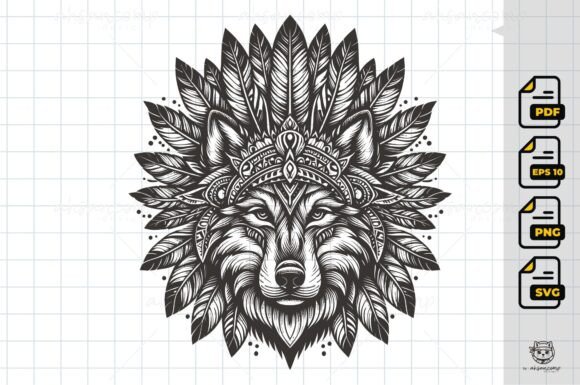
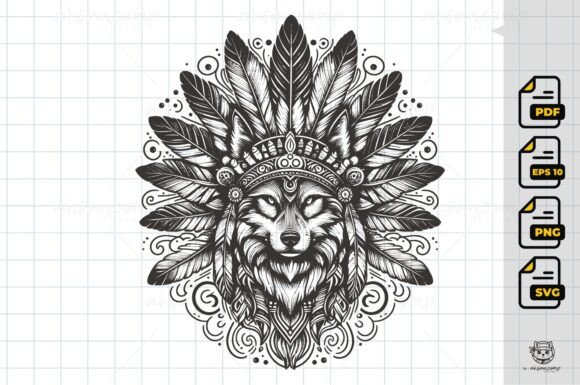
At its core, Tribal Wolf Head Line Art is defined by its reliance on negative space and continuous line work. Unlike realistic portraits that rely on shading and gradient tones to create depth, tribal designs use solid black shapes and sharp angles to define form. The inclusion of elements such as feathered headdresses, decorative swirls, and symmetrical mandalas adds layers of complexity that transform a simple animal portrait into a stylized emblem.
The distinctiveness of this style lies in its abstraction. The wolf’s features are not rendered photorealistically; instead, they are interpreted through a lens of cultural and artistic symbolism. The eyes might be represented by sharp triangles, while the fur is suggested through repeating geometric patterns. This approach creates a bold visual statement that remains legible even when scaled down or viewed from a distance. The addition of a feathered headdress further enriches the narrative, often invoking themes of leadership, wisdom, and indigenous heritage, though it is crucial to approach such imagery with respect and awareness of its cultural origins.
Comparing Tribal Style with Realistic and Minimalist Alternatives
When selecting artwork for a project, it is helpful to compare tribal line art with other common styles to determine which best suits your needs. The primary alternatives usually fall into two categories: realistic grayscale illustrations and minimalist single-line drawings.
Tribal vs. Realistic Grayscale
Realistic wolf illustrations focus on anatomical accuracy, using soft gradients and detailed fur textures to mimic photography. These are ideal for projects requiring a naturalistic feel, such as wildlife conservation campaigns or educational materials. However, realistic images can lose detail when printed on small surfaces or embroidered on fabric. In contrast, Tribal Wolf Head Line Art maintains its integrity across various sizes due to its high-contrast nature. If your goal is immediate visual impact and scalability, the tribal style offers a significant advantage over realistic renderings.
Tribal vs. Minimalist Line Art
Minimalist designs often use a single continuous line to outline the subject, emphasizing simplicity and elegance. While minimalist art is trendy and versatile for modern branding, it may lack the visual weight required for certain applications, such as large-scale wall decals or bold tattoo pieces. Tribal line art strikes a balance between simplicity and complexity. It is more detailed than minimalist sketches but less chaotic than hyper-realistic portraits, making it a versatile middle ground for apparel design and decorative prints.
Evaluating File Formats: SVG, PNG, EPS, and PDF
One of the most critical aspects of acquiring digital art is understanding the file formats provided. High-quality Tribal Wolf Head Line Art is typically available in multiple formats, each serving a different purpose. Choosing the wrong format can lead to pixelation, editing difficulties, or printing errors.
- SVG (Scalable Vector Graphics): This is the preferred format for web design and digital interfaces. SVGs are vector-based, meaning they can be scaled to any size without losing quality. They are also editable in code, allowing developers to change colors or animate elements easily.
- EPS (Encapsulated PostScript): Ideal for professional print production and graphic design software like Adobe Illustrator. EPS files preserve vector data, ensuring that the intricate lines and curves of the tribal design remain crisp regardless of the output size. This is the best choice for large-format printing, such as banners or vehicle wraps.
- PDF (Portable Document Format): PDFs are versatile and widely compatible. For vector-based PDFs, they function similarly to EPS files, allowing for high-quality printing and easy sharing with clients who may not have specialized design software. They are excellent for proofing and standard document integration.
- PNG (Portable Network Graphics): Unlike the vector formats above, PNG is a raster image format. It is best used for digital displays, social media posts, or web graphics where vector editing is not required. Ensure the PNG has a transparent background to allow for seamless integration into various design layouts. However, avoid using PNGs for large-scale printing, as they may become pixelated if enlarged beyond their original resolution.
For maximum flexibility, acquiring a package that includes all four formats is advisable. This ensures you are prepared for both digital and physical applications without needing to convert files, which can sometimes degrade quality.
Practical Applications and Best-Fit Scenarios
Understanding where Tribal Wolf Head Line Art excels helps in determining its value for your specific project. Here are some common use cases where this style is particularly effective:
- Tattoo Design: The bold lines and high contrast of tribal art make it exceptionally suitable for tattoos. The design ages well on skin, as the solid black areas are less prone to blurring over time compared to fine-line shading. The symmetrical nature of the wolf head also lends itself well to placement on the chest, back, or upper arm.
- Apparel and Merchandise: When printing on t-shirts, hoodies, or caps, screen printing and heat transfer methods favor designs with limited colors and clear boundaries. Tribal line art fits these criteria perfectly, resulting in durable and visually striking merchandise.
- Digital Branding and Logos: For brands associated with strength, loyalty, or outdoor adventure, a tribal wolf icon can serve as a powerful logo element. The vector formats allow for easy adaptation across business cards, websites, and packaging.
- Home Decor and Wall Art: The intricate patterns and symmetrical balance of these illustrations make them appealing for framed prints, metal wall cutouts, or vinyl decals. The monochromatic palette ensures they complement a wide range of interior design styles, from industrial to bohemian.
Limitations and Considerations
While Tribal Wolf Head Line Art is versatile, it is not a universal solution. There are scenarios where this style may not be the best choice. For instance, if your project requires a soft, approachable, or gentle aesthetic, the aggressive angles and bold black shapes of tribal art might feel too intense. Additionally, because tribal designs are heavily stylized, they may not convey specific biological details of the wolf species, which could be a drawback for educational or scientific contexts.
Furthermore, cultural sensitivity is an important consideration. The use of tribal motifs, especially those incorporating elements like feathered headdresses, should be done with respect for the cultures from which these symbols originate. Avoid appropriating sacred symbols or misrepresenting cultural heritage. Instead, focus on the artistic and aesthetic qualities of the line work, or collaborate with artists from relevant backgrounds to ensure authenticity and respect.
Making the Right Choice for Your Project
Selecting the right artwork involves balancing aesthetic preference with practical requirements. If you need a design that is bold, scalable, and culturally resonant, Tribal Wolf Head Line Art is an excellent option. Its compatibility with various file formats ensures that you can use it across digital and print media without compromising quality.
However, if your project demands subtlety, photographic realism, or a softer emotional tone, you may want to explore alternative styles such as watercolor illustrations or minimalist line drawings. Always consider the end-use of the image: Will it be printed on fabric? Displayed on a website? Inked on skin? Each application has specific technical needs that certain formats and styles meet better than others.
By carefully evaluating the distinct features of tribal line art against your project’s goals, you can leverage this powerful visual style to create impactful and meaningful designs. Whether you are a seasoned graphic designer or a first-time buyer, understanding these nuances empowers you to choose resources that align with your creative vision and technical constraints.